
Physical Therapy for Knee Replacement: Your Path to Swift Recovery
Knee replacement surgery can be a major step towards pain relief. But the journey doesn’t end there. Physical therapy plays a crucial role in recovery after knee replacement. It helps improve mobility, strength, and overall function. Physical therapists design personalized exercise plans.
- These plans target specific needs and promote healing.
- Through guided exercises and activities, patients regain confidence and independence.
This blog will explore how physical therapy supports knee replacement recovery. It will highlight key benefits and offer practical tips for patients. Ready to learn more? Let’s dive in and see how physical therapy can help you get back on your feet.
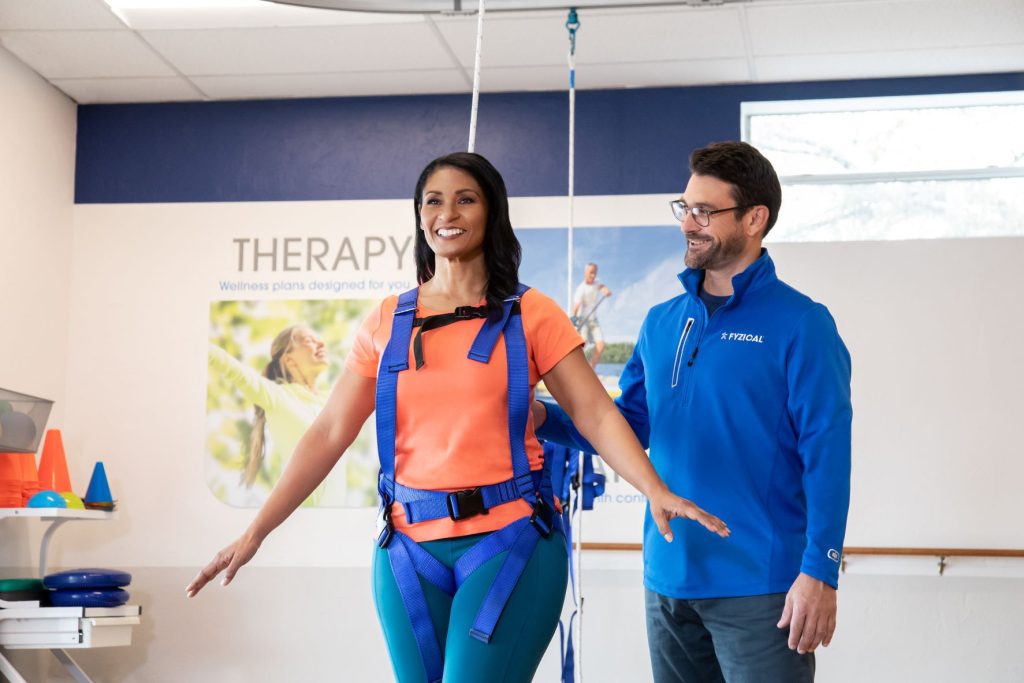
Introduction to Knee Replacement
Knee replacement is a surgical procedure. It helps to relieve knee pain. Doctors remove damaged parts of the knee. They replace them with artificial parts.
- These parts are made of metal and plastic.
- This surgery can help people with severe knee damage.
- Arthritis is a common cause of knee damage.
Patients often feel less pain after surgery. They can move better too.
- Physical therapy is very important after knee replacement.
- It helps the knee heal faster.
- Therapists teach exercises.
- These exercises strengthen the knee.
- They also improve flexibility.
- Patients learn how to move safely.
- This reduces the risk of injury.
- Physical therapy can also reduce pain.
- It helps patients return to daily activities.
Therapy sessions are often done several times a week.
- Each session lasts about an hour.
Pre-surgery Preparation
Preparing for knee replacement surgery involves physical therapy to strengthen muscles.
- Exercises help improve mobility and reduce recovery time.
- Proper preparation can lead to better surgical outcomes.
Pre-operative Exercises
Doing pre-operative exercises helps your muscles get stronger.
- Strong muscles support your knee better.
- This can make recovery faster.
- Try simple exercises like leg lifts.
- Stretching also helps.
- It keeps your muscles flexible.
- Flexibility reduces pain after surgery.
- Remember to exercise every day.
- Consistency is key for strong muscles.
Setting Up Your Recovery Space
Set up your recovery space before surgery.
- Choose a room close to the bathroom.
- Keep items you need within reach.
- Include a comfortable chair.
- Use pillows for support.
- Make sure the room is bright.
- Good lighting helps avoid accidents.
- Have a phone nearby for emergencies.
- Prepare meals ahead of time.
- This reduces stress during recovery.
Immediate Post-surgery Care
Rest is very important. You need to stay in bed. Try to keep your leg straight.
- This helps blood flow.
- Pain and swelling are common.
- Use ice packs to reduce swelling.
- Take pain medicine as the doctor says.
- Keep your leg raised.
- It helps reduce swelling.
- Do not walk too much.
- Use a walker or crutches.
- It helps keep weight off the knee.
Early Physical Therapy
Starting physical therapy early is very important.
- Initial exercises help the knee heal and get strong.
- These exercises include gentle movements.
- Bending and straightening the knee are common exercises.
- They help improve blood flow and reduce swelling.
- Doing these exercises every day is crucial.
- It helps the knee recover faster.
- Mobility after knee replacement is vital.
- Moving the knee helps prevent stiffness.
- It also helps reduce pain.
- Early movement keeps the muscles strong.
- Walking a bit every day helps too.
- It improves the knee’s range of motion.
- Always follow the therapist’s advice.
- It will help in safe recovery.
Advanced Physical Therapy
Strengthening exercises help rebuild muscle strength.
- They support the knee joint.
- Start with simple exercises.
- Use a chair or wall for balance.
- Gradually, increase the intensity.
- Always listen to your body.
- Stop if you feel pain.
- Consistency is key.
- Regular exercises lead to better recovery.
Improving range of motion is crucial.
- Flexibility exercises help.
- Gentle stretching can prevent stiffness.
- Hold each stretch for 15 seconds.
- Do not force any movement.
- Use aids like a strap or towel.
- Daily practice is essential.
- Over time, you will see progress.
- Better motion means easier daily activities.
Maintaining Progress
Being consistent with your exercises helps in faster recovery.
- Daily exercises build strength.
- They also improve flexibility.
- Skipping sessions can slow progress.
- It is important to stick to the plan.
- Your body needs regular movement to heal.
- Simple exercises like walking help.
- Strength exercises are also important.
- Follow the routines suggested by your therapist.
Keep track of your recovery to understand progress.
- Note any pain or discomfort.
- Watch for swelling.
- Check your range of motion.
- Compare your strength weekly.
- Report any issues to your therapist.
- They can adjust your plan.
- Recovery takes time.
- Be patient and persistent.
- Your knee will get better with care.
Potential Challenges
Setbacks can happen during knee therapy.
- Pain or swelling might slow progress.
- It’s normal to feel down.
- Stay positive and patient.
- Small steps matter.
- Follow your therapist’s advice.
- Keep up with exercises at home.
- Track your progress.
- Celebrate small wins.
- They add up over time.
Seek help if pain worsens.
- Watch for redness or swelling.
- These could be signs of problems.
- Don’t ignore changes.
- Talk to your therapist.
- They can adjust your plan.
- Early action helps prevent bigger issues.
- Stay in touch with your doctor.
- Regular check-ups are important.
- Your health matters most.
Long-term Recovery
Staying active is very important.
- Regular exercise helps keep the knee strong.
- Healthy eating supports overall health.
- Avoiding high-impact activities like running is wise.
- Walking and swimming are better choices.
Follow-up visits with your doctor are key.
- They help track your progress.
- Physical therapists guide you through exercises.
- Support groups can offer emotional help.
- Family and friends play a big role too.
- They can offer daily help and motivation.
RECOMMENDED CLINIC IN CORAL SPRINGS
__________________________________
FYZICAL Therapy & Balance Center Coral Springs
2234 N University Dr, Coral Springs, FL 33071
(954) 779-4549
__________________________________
Conclusion
Physical therapy is essential for knee replacement recovery.
- It helps regain strength and mobility.
- Stick to your therapy routine for best results.
- Listen to your therapist’s advice.
- Stay patient and consistent.
- Progress takes time.
- Celebrate small victories.
Remember, dedication leads to improvement.
Frequently Asked Questions
How Long Should You Go To Physical Therapy After Knee Replacement?
- You should attend physical therapy for 6 to 12 weeks after knee replacement.
- This duration ensures optimal recovery and strength.
- Consult your doctor for a personalized plan.
What Kind Of Physical Therapy Is Used For Knee Replacement?
- Physical therapy for knee replacement includes exercises to improve strength, flexibility, and range of motion.
- Techniques like gait training, balance exercises, and pain management strategies are used.
What Is The Most Important Exercise After Total Knee Replacement?
- The most important exercise after total knee replacement is walking.
- It helps improve mobility, strength, and flexibility.
How Do You Loosen Stiff Knees After Knee Replacement?
- Perform gentle stretches and exercises daily.
- Use ice packs to reduce swelling.
- Take prescribed pain medications.
- Follow your physical therapist’s guidance.
- Stay active but avoid overexertion.